Source: http://www.theelectricconnection.com/reviewing-home-pasadena-electrician/
Friday, May 31, 2013
Reviewing Your New Home with a Pasadena Electrician
When you buy a new house, you spend a lot of time looking at things like space, decorating options and the yard. However, there is something else you need to give a bit more attention to—the electrical system. No matter if you are buying a brand new house, or one that is one hundred years [...]

Solar Articles
On this page we will be listing article links and other writings of interest that we feel may help visitors to this blog learn more about renewable energy and sustainability: http://cleantechnica.com/2012/02/08/solar-power-to-pay-nevada-citys-debt-government-costs-for-decades/ Las Vegas Review Journal article on Boulder City, NV and the benefits of a green economy. http://runonsun.com/~runons5/blogs/blog1.php/aN5 This article was written (02/08/12) in remembrance [...]
Source: http://www.enlighten-electric.com/2012/02/solar-articles/
journeyman electrician industrial electrical electrician training master electrician electrical business
Save Money & Energy with SRP/APS Lighting Rebate Programs
ATS Electric has trained with SRP and APS on rebates for implementing energy saving technologies. The utility companies are really focusing on this issue as it reduces peak demand and the need for more power plants in the future. Simple lighting upgrades can receive a 30% rebate from the utility and coupled with the energy [...]
Source: http://blog.atselectricinc.com/2012/05/save-money-energy-with-srpaps-lighting-rebate-programs-2/
The Importance of Installing Whole House Surge Protection – Residential Electrician Broward
Bob Frank, owner of Perfect Electric and Air Services, is discussing in this video the importance for a whole house surge protection and the couple of different ways of doing it. Whole House Surge Protection is important to protect all valuable electronics and appliances inside of your home in the case of an unexpected electrical [...]
electrical estimating licensed electricians residential electrician electrician company electrician tools
Thursday, May 30, 2013
10 Tips for Glendora Electrical Work and Your Safety
 When you’re considering electrical work you should put safety first. This article gives a few pointers regarding electricity and safety for you, your family and your home.
- Never take risks where electricity is concerned. Electricity can cause serious burns, health problems and kill.
- If you’re not qualified to do electrical works then get a registered Glendora electrician to give you a quote on the work to be done. Don’t be tempted to have a go at it yourself. It is a good idea to ask around your neighbors, friends and family who they could recommend as being good and reliable. Get several quotes and choose one according to both their ability and your price range.
- When you get quotes, ask for references and check them out. You should also ask to see their registration certificates to verify they are qualified and registered.
- Have a good look at all the work you may need doing. Check all your plugs and sockets for loose or exposed wires as well as cracked or damaged sockets.
- Light fittings are a common source of problems due to the heat generated by the amount of current flowing through them. Check that they are not cracked or brittle.
- If appliances are damaged or have electrical cables exposed you should have them tested by an Glendora electrician to make sure they are safe to use. If they’re not safe then you need to determine whether it’s more economical to repair or replace it.
- When all your repair work has been done, it is recommended that you cover your sockets with plastic socket covers that are not easily removed by children. This is to prevent children from pushing objects into the sockets and coming to harm.
- It is also worth doing a first aid course so that you are able to respond quickly in the event of an electrical accident. Many power suppliers run courses or will be able to advise you where one is available in your area.
- Invest in a portable fire extinguisher. Because water is a conductor of electricity you will need to get a chemical extinguisher. You need to have some sort of reminder to check the charge and that it functions correctly on an annual basis.
- Teach small children the dangers of electricity and how to be safe. You can use books or DVD’s as an aid to the training which are available on the internet or bookstores.
Article Source: http://ezinearticles.com/?expert=Guillermo_J_Ortiz
The Benefits of Hiring a Professional San Dimas Electrician
 If you are like most homeowners, changing a light bulb is about the extent of your electrical repair abilities. Fortunately, there are qualified San Dimas electrical repair contractors just a phone call away. Electrical repairs are one of those things that homeowners eventually have to contend with, and there are several issues at stake that warrant a second thought about any D.Y.I. ideas or who the best option to hire is.
The biggest and probably most important issue regarding electrical repair is safety. Most homeowners do not have the proper training to go mucking about with wiring, outlets and breakers. There is a good chance of coming into contact with electricity and some homeowners are not even aware of how to turn off the electricity to their home, which is important in the prevention of electrocution. Furthermore, if electrical repairs are not completed correctly, there is the chance of an electrical fire starting later on. What is risky for a homeowner to try on their own can quickly become a life or death matter for everyone living at the residence.
Another important issue in electrical repair is the ability of inexperienced people spreading damage to other parts of the home. An expert San Dimas electrical contractor can isolate electrical problems and contain them. They can tell if it can affect other parts of the house or whether a problem elsewhere is causing the problem that you notice. And goodness forbid if an inexperienced person were to get in there and end up destroying your home’s electrical system due to unwitting error.
The last important issue that should not prevent you from calling a professional San Dimas electrician is cost. While considering cost is important in this day and economy, the cost of getting something done right is never too high. Plus, getting it done right the first time prevents more repair down the road, meaning more out-of-pocket expenses.
electrical supplies electric repair contractor electrical electrical contractor in what is an electrical contractor
An Electrician in Burbank Discusses Your New Home Purchase
When you are shopping for a new home, you have a lot of things on your mind. You want to find the perfect place to live, in a great neighborhood and you do not want to break your budget. However, there is one other thing you want to keep in mind—the electrical system. While you [...]
Source: http://www.theelectricconnection.com/electrician-burbank-discusses-home-purchase/
Garage Doors That Open When The Power Is Out
Have you ever considered owning a garage door opener that is able to operate even when the power is off? Image a day or night when you come home in the rain or snow, you push your remote control to open the garage door and nothing happens! Is it broken? No! It's a power outage and the door isn't opening. What a bummer!
...Source: http://electrical.about.com/b/2013/05/25/garage-doors-that-open-when-the-power-is-out.htm
Energy Eye™ HVAC Energy Management System
We are Kauai’s only: Factory Certified Installer Certified Technical Service Provider Distributor Energy Eye™ is helping hotels save from 15% to 35% on their guest room air conditioning expenses – GUARANTEED! What is Energy Eye? It is an energy management system designed for hotel/resort rooms, offices, and condominiums to control your AC cooling based on room occupancy. [...]
Source: http://www.blueskyelectric.net/blog/energy-eye-hvac-energy-management-system/
electrical contractor in what is an electrical contractor electrical service service electrical electrical jobs
Wednesday, May 29, 2013
Hurricane Season 101: Power Outages

As hurricane season quickly approaches, it’s important to prepare for the worst. If a storm hits and you’re left without power, your electric company will work to safely and quickly restore power. In the meantime, there are a few important things to consider to ensure both you and your family’s safety during a power outage. If the power does go out, keep in mind:
- Prior to an outage occurring, make sure you have a flashlight and extra batteries handy. Candles can be dangerous and should only be used in case of an absolute emergency. Never light a fire indoors.
- Turn off or disconnect any lights, appliances or electronics that were in use when the power went out. Be sure to leave one light on so you’re able to notice when power is restored.
- Steer clear of downed wires and trees. Live wires are an accident waiting to happen.
- If using a generator, locate it well away from your home, ensuring that the exhaust (which contains carbon monoxide) has no way to easily enter your home through windows or doorways. Using a generator indoors is extremely hazardous and can be fatal.
- Never, ever drive over downed lines. If a downed line is in or near water, keep your distance. Even a line in the smallest puddle is extremely dangerous and should be avoided at all costs.
- Do not plug a portable generator into a household outlet. Attempting to power your house by plugging a portable generator into a household outlet can potentially backfeed enough power into the power lines to electrocute a line worker or a neighbor on the same circuit.
Source: http://powergenerationinc.com/hurricane-season-101-power-outages/
Getting Ready For Summer with Swimming Pool, Hot Tub and Spa Safety
I know it's only spring, but in many areas people are already gearing up for summer by getting their swimming pools ordered and supplies ready to keep them crystal clear. However, with that thought, we cannot forget about getting them electrically ready also.
...able electric auto electrical repair construction electrical electrical how to
Living Efficiently: Keep Your Home Cool This Summer

With warmer weather among us, it’s not uncommon to wonder what can be done to keep your house cool and comfortable without breaking the bank. With average summer temperatures getting as high as the mid-90s in South Florida, finding efficient ways to keep cool during the summer seems to be on everyone’s “to do” list.
Looking to save some money without breaking a sweat? You’re in luck. Here are some easy tips to follow:
Use ceiling fans
Ceiling fans can increase your comfort when your home’s thermostat is set at higher temperatures in an attempt to avoid high electric bills. The standard human comfort range in the summer is between 72 F and 78 F. By simply turning on a ceiling-mounted paddle fan, you can provide air flow to a specific room, extending that comfort range to about 82 F.
Keep your house closed tight
While the sun shines and temperatures rise, be sure to keep any unwanted heat and humidity from getting inside of your home. Do not leave windows or doors open! Allowing hot outside air into your home will counteract the hard work your air conditioning unit is doing, which, in turn, will drive up your electrical costs.
Install blinds
By installing white window shades or mini-blinds, you can reduce solar heat by as much as 50 percent. Be sure to close blinds during the day to avoid direct sunlight from making its way into your home.
Source: http://powergenerationinc.com/living-efficiently-keep-your-home-cool-this-summer/
Solar PV in/out dual meters and 200A upgrade

An existing 100A underground service with standard meter and timer-interrupted OP meter (OP tariff no longer available)
Mandolin and I have spent a couple beautiful days this week upgrading an underground service from 100A to 200A, and re-configuring the metering to support the net output of an upcoming solar PV installation by frequent partner and friends, Sumintra, LLC.

PECO requires two meters for grid-tied solar PV installations: 1 to measure what they deliver, and the 2nd to measure what you provide to the grid. The difference is what you pay, and PECO settles up any overpayment at the end of each year.
Since I could not make the underground service RMC raceway (‘conduit’) and service entrance raceway connect directly to any arrangement of right- or left-hand meter enclosures, I had to install a wiring trough between the existing pipe work and the new meter configuration. As it turned out, the short conductors of the original installation required a splice box in any case, since they would never have stretched across the generous wiring space of a 200A underground meter enclosure.
Using the trough also allowed me to shift the new meter setup to the right of its previous location, providing proper safe working clearance for this equipment.
Licensed Electrician Robert Monk Solar PV in/out dual meters and 200A upgrade Copyright Robert Monk, 2012
Source: http://www.phillylicensedelectrician.com/solar-pv-inout-dual-meters-and-200a-upgrade/
electric contractor contractor electric electrician job electricians jobs electrician work
Surge Protection on Kauai
; Kauai’s electrical grid surges affect the life span of our computers, appliances, and other electronic equipment. Power surges can also completely roast the internal electronic parts during a storm or utility fault. What you need: Installing a whole house surge protector by a licensed electrician will greatly decrease the risk of power surge destruction. [...]
Source: http://www.blueskyelectric.net/blog/surge-protection-on-kauai/
An Electrician in Burbank Discusses Your New Home Purchase
When you are shopping for a new home, you have a lot of things on your mind. You want to find the perfect place to live, in a great neighborhood and you do not want to break your budget. However, there is one other thing you want to keep in mind—the electrical system. While you [...]
Source: http://www.theelectricconnection.com/electrician-burbank-discusses-home-purchase/
electrical technician master electricians electrical construction electrical works electrical repairs
Tuesday, May 28, 2013
Tools Necessary for an Electrician Beverly Hills Do-it-Yourself Project
It gives you a good feeling to take on do it yourself projects. You are saving money, and it is nice to know that you have a direct part in helping your home look its best and stay in good repair. While you may not want to take on large electrical projects—for those you would [...]
Source: http://www.theelectricconnection.com/tools-electrician-beverly-hills-do-it-yourself-project/
Find The Perfect Electrical Contractor To Help With Home Repairs
Arriving home to a house that needs repairs and is cluttered with the mess of failed home improvements is frustrating and stressful. There are ways you can solve this problem without spending too much. Use the helpful ideas and tips below to get started today.
Organizing your kitchen cabinets can help create a more efficient workspace for you in the kitchen. Periodically you should review your inventory of foods and spices you’ve got in your cabinets and dispose of older items. Once the shelves are cleared, give them a good wipe down. Once they dry, line them with fresh paper liner. You can then group together things when you put your items back in. All the ingredients you need will be at your disposal and you’ll be able to find them too!
If you are starting to redo your bathroom or kitchen you have to ensure your water valve is off so you do not flood the room! That may sound like a no-brainer to you, but it is a step that is often overlooked by homeowners, resulting in costly flooding.
Arrange for several of your friends to be available to assist you in case one of them doesn’t work out. Always be prepared for the worst. That adage applies to home improvement also.
Although an air conditioning unit can be ugly, it is necessary for survival during a hot summer. Trellises or lattices are some nice ways to disguise your air conditioner to look more aesthetic. Remember to leave at least one foot of empty space between whatever camouflage you choose to use and the unit itself.
Boca Raton Electrician
Hire an electrician to help install electrical outlets in the area where you want your microwave to sit. When your microwave’s plug is tucked away, it’ll look great. A small project such as this will keep you from having a cord dangling overhead.
Update your light fixtures to brighten kitchens and bathrooms. Speak with an electrician to incorporate sharp lights in important areas of your home. Consider installing pendant lighting, which looks great in any modern kitchen.
Nothing beats arriving home to a pretty house with everything you desire. If you utilize the tips you’ve just read, you’ll be on the right track towards dramatically improving your home. Keep going, even if you’re just taking small steps. With some commitment, you could be working towards creating your dream home!
electrical certification electrical inspection electrical maintenance electrician certification electrical contracting
Who’s Dead + Who Ain’t? The Gummint Looks at the DMF
DMF = death master file. A down-and-dirty report on how the DMF is used came out earlier this month (from the GAO).
CurrentSAFE Testing - Thermography
CurrentSAFE - What To Expect During The Thermography Portion
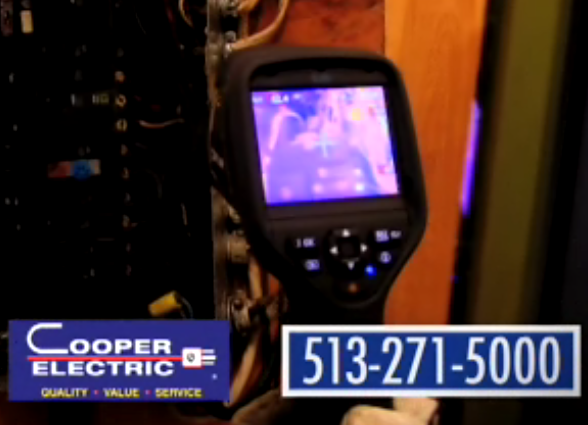 A thermographic inspection is used to detect thermal defects. The inspector uses an infrared camera to conduct scans of your electrical system in all other aspects of your home. If this is your first time hiring a thermographic inspector, you may not know what to expect. The following should give you some ideas as to what is involved with process, as well as how to prepare your home or office for the inspector's arrival.
 How to Prepare Your Home
Before your thermographic inspector arrives. You should also move any large furniture away from the walls and electrical outlets so that the inspector can get to them.The Thermographic Inspection
The inspector will arrive and will most likely educate you about your home or office and the scan itself. Some inspectors take the home owner or office manager along with them during the scans so that they can educate along the way, and some prefer to work slowly and in private so that all anomalies can be identified. During the process, the thermographic inspector will scan every inch of your home. The infrared camera or video will reveal heat as bright white for the warmest temperatures. Likewise, ambient or room temperatures, will show up as darker colors on the spectrum. This thermographic inspection will find problems with your wiring, malfunctioning appliances and equipment. These issues may not be seen by the naked eye, but the infrared equipment finds it and identifies it with ease. Tags:
Tags: Del.icio.us | Facebook | TweetThis | Digg | StumbleUpon |
Comments: 0 (Zero), Be the first to leave a reply!

Copyright © Cooper Electric [CurrentSAFE Testing - Thermography], All Right Reserved. 2013.
Source: http://cooper-electric.net/currentsafe-testing-thermography/
electrical service contractor electrical estimating licensed electricians residential electrician electrician company
How Electrical Things Go Wrong?
When thinking about an electrical system that has been in place in your home since it was built, the first thing that comes to mind is, why is this happening now? What changed between when the builder put the electrical system in place, and now?
There are other things in life, like our vehicles, which the concept of use and life cycle are easier to understand. You get your oil changed every 3,000 miles. You put gas in your car weekly to keep it fueled up to be able to operate. You check the air in your tires. You change the wiper blades. These things are very apparent to maintain because most of us drive our vehicles every day. We understand that over the course of time, with owning a vehicle that maintenance issues will come up. Things wear out over time during the duration of their life cycles.
When thinking about electrical systems in your home, it's not as easily understood. The average person does not know OHMs law, nor understand the effects that take place when OHMs law is in place, in say... a loose connection in your electrical system.
Homeowners wonder, if this was installed when my home was built, what is causing it to malfunction now? There are 4 reasons for electrical hazards to pop up over the course of a life cycle of a home, and what precipitates the call to an electrician to fix the problem.
1. Workmanship. Unfortunately, the number one reason electrical components malfunction over time, is because the person who installed it originally might have made a mistake. Maybe they did not torque the screw down to specifications. Maybe the breaker wasn't sized properly for the load. Maybe the wire was undersized. Maybe they ran one circuit where the demand should have called for multiple circuits. The bottom line is that the workmanship of the installer, could have compromised the installation from the beginning. And over time, through improperly installed electrical work, problems show themselves because of electricity flowing through.
2. Corrosion/Water intrusion. A common problem that is completely bizarre to homeowners is water, literally spilling out of your electrical panel. People call in astonishment that water has infiltrated their electrical panel. And rightfully so. Water and electricity don't mix. How the water gets in? It travels along the Service Entrance cable, that is coming from the meter on the outside of the house. Herein, the workmanship discussed in number one, has a major role. How did the installer drill the hole? Did he caulk the opening? Is the cable's protective jacket cracked, and letting water in? This is actually a very common problem. Once the water is gone however, the damage left behind from corrosion, still persists, it will continue to worsen.
3. Load. Today's homes have more loads being pulled through them then ever before. Poor workmanship, plus corrosion on an aging electrical systems, will lead to more problems.
4. Wear and Tear. Your kid unplugging the vacuum cleaner from around the corner? Not good, over time it will disturb the wiring and screws on the inside of the box and device. How many times have you flipped that switch that's not working right? How often do you think the jiggling of a switch can take before it becomes bad? Before it loosen connections in the box the switch is in or on the screws? The wear and tear on these things adds up to problems.
Tags:
| Del.icio.us | Facebook | TweetThis | Digg | StumbleUpon |
Comments: 0 (Zero), Be the first to leave a reply!
You might be interested in this:
Copyright © Cooper Electric [How Electrical Things Go Wrong?], All Right Reserved. 2013.
Source: http://cooper-electric.net/how-electrical-things-go-wrong/
Monday, May 27, 2013
Solar Articles
On this page we will be listing article links and other writings of interest that we feel may help visitors to this blog learn more about renewable energy and sustainability: http://cleantechnica.com/2012/02/08/solar-power-to-pay-nevada-citys-debt-government-costs-for-decades/ Las Vegas Review Journal article on Boulder City, NV and the benefits of a green economy. http://runonsun.com/~runons5/blogs/blog1.php/aN5 This article was written (02/08/12) in remembrance [...]
Source: http://www.enlighten-electric.com/2012/02/solar-articles/
contractor electric electrician job electricians jobs electrician work electrical training
The Importance of Installing Whole House Surge Protection – Residential Electrician Broward
Bob Frank, owner of Perfect Electric and Air Services, is discussing in this video the importance for a whole house surge protection and the couple of different ways of doing it. Whole House Surge Protection is important to protect all valuable electronics and appliances inside of your home in the case of an unexpected electrical [...]
Midwest Flooding Prompts Flood Safety Bulletin
Massive amounts of flooding rains have covered a large part of the Midwest. Areas west of Chicago actually were hit with rain amounts in excess of 8 - 9 inches of rain. Homes and businesses have been surrounded by water closing schools, roads, and businesses. Flood watches and warnings are posted as rivers and streams continue to rise. As the water starts approaching your home, it's best to get out of harms way and wait for the flood waters to recede. Staying too long could prove to be deadly and leave you with no way out but rescue by boat.
...Source: http://electrical.about.com/b/2013/04/18/midwest-flooding-prompts-flood-safety-bulletin.htm
electricians jobs electrician work electrical training electrician apprenticeship electrician contractors
Proven to lower energy costs
Solar and Wind Turbine alternative energy sources can improve and lower your homes resource cost in the Boca Raton, West Palm Beach, and Ft Lauderdale area. This option to covert your current electrical grid home to an off the grid alternative energy home would be all around beneficial. Your family will be safer and their future will be brighter when you start using environmentally friendly alternative energy sources. Benefits include:
Family protection
Home security
Increase in home value
Fixed cost of electricity for 30 year life of system
Clean and quiet power production
Free, renewable fuel
Reduction of greenhouse gasses
Investment in the future
Energy independence for retirement
How Electrical Things Go Wrong?
When thinking about an electrical system that has been in place in your home since it was built, the first thing that comes to mind is, why is this happening now? What changed between when the builder put the electrical system in place, and now?
There are other things in life, like our vehicles, which the concept of use and life cycle are easier to understand. You get your oil changed every 3,000 miles. You put gas in your car weekly to keep it fueled up to be able to operate. You check the air in your tires. You change the wiper blades. These things are very apparent to maintain because most of us drive our vehicles every day. We understand that over the course of time, with owning a vehicle that maintenance issues will come up. Things wear out over time during the duration of their life cycles.
When thinking about electrical systems in your home, it's not as easily understood. The average person does not know OHMs law, nor understand the effects that take place when OHMs law is in place, in say... a loose connection in your electrical system.
Homeowners wonder, if this was installed when my home was built, what is causing it to malfunction now? There are 4 reasons for electrical hazards to pop up over the course of a life cycle of a home, and what precipitates the call to an electrician to fix the problem.
1. Workmanship. Unfortunately, the number one reason electrical components malfunction over time, is because the person who installed it originally might have made a mistake. Maybe they did not torque the screw down to specifications. Maybe the breaker wasn't sized properly for the load. Maybe the wire was undersized. Maybe they ran one circuit where the demand should have called for multiple circuits. The bottom line is that the workmanship of the installer, could have compromised the installation from the beginning. And over time, through improperly installed electrical work, problems show themselves because of electricity flowing through.
2. Corrosion/Water intrusion. A common problem that is completely bizarre to homeowners is water, literally spilling out of your electrical panel. People call in astonishment that water has infiltrated their electrical panel. And rightfully so. Water and electricity don't mix. How the water gets in? It travels along the Service Entrance cable, that is coming from the meter on the outside of the house. Herein, the workmanship discussed in number one, has a major role. How did the installer drill the hole? Did he caulk the opening? Is the cable's protective jacket cracked, and letting water in? This is actually a very common problem. Once the water is gone however, the damage left behind from corrosion, still persists, it will continue to worsen.
3. Load. Today's homes have more loads being pulled through them then ever before. Poor workmanship, plus corrosion on an aging electrical systems, will lead to more problems.
4. Wear and Tear. Your kid unplugging the vacuum cleaner from around the corner? Not good, over time it will disturb the wiring and screws on the inside of the box and device. How many times have you flipped that switch that's not working right? How often do you think the jiggling of a switch can take before it becomes bad? Before it loosen connections in the box the switch is in or on the screws? The wear and tear on these things adds up to problems.
Tags:
| Del.icio.us | Facebook | TweetThis | Digg | StumbleUpon |
Comments: 0 (Zero), Be the first to leave a reply!
You might be interested in this:
Copyright © Cooper Electric [How Electrical Things Go Wrong?], All Right Reserved. 2013.
Source: http://cooper-electric.net/how-electrical-things-go-wrong/
electrician contractors electrical testing commercial electrical electrical commercial electrician contractor
Sunday, May 26, 2013
Wind Doesn’t Really Blow (at least not in ’12)
For the first year, in 2012 wind power was the most widespread renewable energy source in the US, with fresh installations accounting for 42% of new power capacity in the country, the American Wind Energy Association (AWEA) said yesterday.
Altogether, renewables’ total share of new generating capacity came at 56%, contributing more than 50% of the total new power capacity in 2012. Between 2008 and 2012 the share of wind power in the US’ newly installed capacity was 36.5%, AWEA says.
In 2012 annual additions reached a record-high 13,124 MW. The top five states which accommodated most newly-built wind parks were Texas, California, Kansas, Oklahoma and Illinois.
Electrical Home Inspection: Why should you hire a professional electrician for your electrical home inspection?
Bob Frank, owner of Perfect Electric and Air Services, explains in this video some of the reasons for the need to hire a professional electrician to perform your electrical home inspection. Among other reasons, it is important to hire a professional electrician for your electrical home inspection due to their years of experience in the [...]
electrical electrical how to contractor contractors electrician in
Electrical Home Inspection: Why should you hire a professional electrician for your electrical home inspection?
Bob Frank, owner of Perfect Electric and Air Services, explains in this video some of the reasons for the need to hire a professional electrician to perform your electrical home inspection. Among other reasons, it is important to hire a professional electrician for your electrical home inspection due to their years of experience in the [...]
‘Deep Ecology’ versus Energy (McKibben’s virus understood)
The Sierra Club, as yesterday’s post described, has ditched its previous support for natural gas, the cleanest burning fossil fuel. And so goes the modern, Washington, DC-based environmental pressure group movement, rejecting not only oil, gas, and coal but also nuclear, hydro, and most biofuels. Translated into today’s energy usage, some 98 percent is bad and 2 percent good. [1]
Turning an industrial economy over to the two most costly, unreliable (intermittent) energy resources–solar and wind–is a lights out, engine stall strategy for a modern industrial economy.
Where does such anti-industrial, anti-human, coercionist thinking come from? The answer is the deep ecology movement.
“Deep Ecology”
As mentioned yesterday, a radical wing of the modern environmental movement rejects a human-centered anthropocentric view of the world in favor of a nature-first ecocentric view. In constrast to shallow ecology, concerned with pollution and resource depletion in the developed world, deep ecology defends “the equal right” of lower animals and plants ”to live and blossom.” Deep ecology rejects what is seen as a master-slave relationship between human and nonhuman life.
Deep ecology stresses the interrelatedness of all life systems on Earth, demoting human-centeredness. Man must respect nature for its own sake rather than as a tool of man. The human ego and concern for family and other loved ones must be joined by a similar emotional attachment to animals, trees, plants, and the rest of the ecosphere.
To hurt the planet, then, is the same as inflicting bodily harm on oneself. “In the broadest sense,” state Bill Devall and George Sessions (1985: ix), “we need to accept the invitation to the dance—the dance of unity of humans, plants, animals, the Earth.” To get to this point, we need to “trick ourselves into reenchantment” (10) with nature.
Deep Ecology Platform
The “deep ecology platform” of the Deep Ecology Foundation, formulated by Arne Naess and George Sessions, states:
1) The well-being and flourishing of human and nonhuman life on Earth have value in themselves (synonyms: inherent worth; intrinsic value; inherent value). These values are independent of the usefulness of the nonhuman world for human purposes.
2) Richness and diversity of life forms contribute to the realization of these values and are also values in themselves.
3) Humans have no right to reduce this richness and diversity except to satisfy vital needs.
4) Present human interference with the nonhuman world is excessive, and the situation is rapidly worsening.
5) The flourishing of human life and cultures is compatible with a substantial decrease of the human population. The flourishing of nonhuman life requires such a decrease.
6) Policies must therefore be changed. The changes in policies affect basic economic, technological structures. The resulting state of affairs will be deeply different from the present.
7) The ideological change is mainly that of appreciating life quality (dwelling in situations of inherent worth) rather than adhering to an increasingly higher standard of living. There will be a profound awareness of the difference between big and great.
8) Those who subscribe to the foregoing points have an obligation directly or indirectly to participate in the attempt to implement the necessary changes.
Gore to McKibben
As described yesterday, Bill McKibben, and thus his war on fossil fuels, is in the deep ecology tradition.
Al Gore’s complaint about a “dysfunctional [fossil fuel] civilization” crosses over into deep ecology metaphysics. As he states in Earth in the Balance (1992):
Our civilization is, in effect, addicted to the consumption of the earth itself. This addictive relationship distracts us from the pain of what we have lost: a direct experience of our connection to the vividness, vibrancy, and aliveness of the rest of the natural world. The froth and frenzy of industrial civilization mask our deep loneliness for that communion with the world that can lift our spirits and fill our senses with the richness and immediacy of life itself (220–21).
Eschewing incrementalism, Gore called for “bold and unequivocal” global action where “the rescue of the environment” is “the central organizing principle for civilization” (269).
Stasis–or Dynamism?
One can debate how much the above statements qualify their authors as deep ecologists. Whatever the case, the above thinking reflects the stasis mentality, which Virginia Postrel has defined in The Future and Its Enemies as a belief that “a good future must be static: either the product of detailed, technocratic blueprints or the return to an idealized, stable past” (1998: xii).
This in-the-past mentality is quite different from dynamism, which in Postrel’s words embraces “a world of constant creation, discovery, and competition” (xiv). Think creative destruction, which is why coal, oil, and gas displaced the inferior renewable energies of the past.
Conclusion
To deep ecologists, energy as the enabler of man over nature is a root enemy. Economics, the human-centered science of plan coordination and material improvement, is also the enemy. As one ecologist explained:
Economics and ecology, as words, have the same root; but that is about all they have in common…. The world of ecologists is ‘unspoiled nature.” They tend to avoid cities, parks, fields, orchards. The real world of the economists is … money, labor, market, goods, capital (Bates, 250–51).
Needless to say, any member of the Sierra Club would complain mightily if the lights went off–or even on-and-off (which would happen if wind or solar was the energy source without conventional energy fill-in or battery storage). And virtually all DC environmentalists would fume if their transportation stalled. They are human, after all–or at least outside of their workday of professional obstructionism.
——————
[1] In 2011, according to the U.S. Energy Information Administration, renewables accounted for 9 percent of U.S. consumption, of which wind and solar accounted for 15 percent or approximately 1.4 percent of the total.
Bibliography
Bates, Marston. The Forest and the Sea. New York: Random House, 1960.
Devall, Bill, and George Sessions. Deep Ecology. Salt Lake City: Peregrine Smith, 1985.
Gore, Al. Earth in the Balance: Ecology and the Human Spirit. New York: Plume, 1992.
McKibben, Bill. The End of Nature. 1989. Reprint, New York: Anchor Books, 1990.
Naess, Arne. “The Shallow and the Deep, Long-Range Ecology Movement: A Summary.” 1973. Reprinted in Radical Environmentalism: Philosophy and Tactics, edited by Peter List, 19–24. Belmont, CA: Wadsworth, 1993.
Postrel, Virginia. The Future and Its Enemies. New York: Free Press, 1998.
Source: http://www.masterresource.org/2013/05/deep-ecology-versus-energy/
industrial electrician electric contracting electrican electrical contractors company certified electrician
Santa Monica Electrician – Dangers of DIY
“I can fix that!” This is something you may be tempted to say when you find small problems with the electrical system in your house. You may like to do work on your own home and if you have the right skill set, a do it yourself project is rewarding because you save money and [...]
Source: http://www.theelectricconnection.com/santa-monica-electrician-dangers-diy/
FPE Panels and Zinsco Electrical Panels Could Catch on Fire – Electrical Service Change
Bob Frank, owner of Perfect Electric and Air, discusses in this video the need to have an electrical service change due to the hazards and dangers of having FPE electrical panel, Zinsko electrical panel or Fuse electrical boxes installed in your house. Another important factor that Bob is bringing up is that Citizens Insurance does not [...]
electrical supply company electrical service contractor electrical estimating licensed electricians residential electrician
Top 5 ECs in Sacramento CA – Ranked by 2012 Gross Revenue
From the Sacramento Business Journal (3/29/13) –
Electrical contractors, ranked by 2012 revenue
- Rex Moore Electrical Contractors & Engineers, Sacramento, $87.13 million
- Barnum & Celillo Electric Inc., Sacramento, $36 million
- Vellutini Corp., dba Royal Electric Co., Sacramento, $35.25 million
- Schetter Electric Inc., Sacramento, $30.2 million
- Pacific Excavation Inc., Elk Grove, $22.56 million
Wind Performing Badly
“The claim that wind projects in the U.S. are achieving 30% average capacity factors nationally [are] … not meaningful when considering that state RPS mandates are based on local resources. For states like New York and Pennsylvania, where average capacity factors are in the low- to mid- 20% range, many more wind turbines and related infrastructure (transmission) will be needed to meet RPS mandates than originally forecasted, resulting in increased costs and impacts.
Couple this with the fact that wind production in most states is seasonal with summer months producing at half that of winter months and also concentrated during periods of low demand (night time) — much of the energy arrives as excess energy making it less useful.”
This week, the U.S. Department of Energy announced it was revisiting the conclusions of its 2008 report, 20% Wind Energy by 2030.
The study, produced in cooperation with the American Wind Energy Association (AWEA) and other stakeholders, explored a modeled energy scenario in which wind could supply 20% of the nation’s electricity by 2030. DOE made clear in the report that the 20% scenario was neither a prediction nor a goal, but, for wind proponents, the study served as the foundation for ongoing advocacy.
20% wind power by 2030 became a call to action and more. Absent a national renewables standard, AWEA heralded the 20% as a de facto mandate for wind.
The industry insists it’s on track to reach 20% wind (up from 4% today), but such claims are neither realistic nor wise. Despite explosive growth in new wind installations in the last five years alone, [1] challenges to further development have become more evident and will ultimately limit wind’s expansion.
An Unpopular Wind
Since 2008, thousands of turbines have been sited in communities across the U.S. As more towers were erected, public acceptance of the massive facilities started to drop.
Earlier this year, both New Hampshire and Vermont sought statewide moratoria on wind farm development until the impacts could be better understood. Law suits are now pending against proposed and operating wind facilities in at least six state courts as well as at the federal level. [2] Ohio , North Carolina, and others are revisiting their renewables mandates after wind has failed to deliver lower energy prices and jobs.
And this week, the reality of big wind splashed across media screens worldwide when AP reported that in Wyoming “a soaring golden eagle slams into a wind farm’s spinning turbine [about once a month] and falls, mangled and lifeless, to the ground.”
The public is increasingly wary of the wind industry’s tactics and so is Congress. The 1-year, $12 billion extension of the wind production tax credit (PTC) secretly added to the Fiscal Cliff bill in January underscored how unpopular wind energy is on Capitol Hill. The PTC would likely not survive a floor vote.
Wind’s Lack of Capacity
According to DOE’s 2008 report, U.S. demand for electricity would reach 5.8 billion megawatt-hours (MWh) by 2030. [3] In order for wind to satisfy 20% (or 1.16-billion MWh) of this demand , 305,000 MW of installed wind operating at an annual average capacity factor of 43.4% would be needed. Yet, few existing wind plants in the U.S. come close to producing at this level.
The 2011 Wind Technologies Market Report “found that average capacity factors have been largely stagnant among projects built from 2006 through 2010″ [4] at around 30%. In 2011, wind speeds improved raising the average capacity factor to 33%.
We examined 2012 monthly wind production data for 450+ operating wind plants in 34 states representing more than 40,000 MWs of installed capacity. All projects we looked at were in service for the entire year of 2012. The map below (clearer picture here) offers key insight into the effectiveness of wind at meeting demand by state.

Only three states, Nebraska, South Dakota, and Oklahoma achieved average capacity factors over 40%. Most states, including California, produced at under 30%.
Regional variations in production were also pronounced with the lowest average capacity factors[4] found on both the east and west coasts and the highest capacity factors, by state, found in the mountain and plain regions, correlating closely with NREL wind maps.
The claim that wind projects in the U.S. are achieving 30% average capacity factors nationally may be accurate but not meaningful when considering that state RPS mandates are based on local resources. For states like New York and Pennsylvania, where average capacity factors are in the low- to mid- 20% range, many more wind turbines and related infrastructure (transmission) will be needed to meet RPS mandates than originally forecasted. resulting in increased costs and impacts.
Couple this with the fact that wind production in most states is seasonal with summer months producing at half that of winter months and also concentrated during periods of low demand (night time) — much of the energy arrives as excess energy making it less useful.
The Role of Government Subsidies
More than half of the installed wind in the U.S. when measured in megawatts was built under the Section 1603 grant program which imposed no performance criteria on projects. Instead, the program substituted government largess for private investment, but with no accountability. Developers were rewarded for building turbines even in areas with marginal winds. The race to place projects in service before the end of 2012 was more about collecting 1603 grant money than producing quality wind facilities. Wind performance data for 2013 and 2014 will reveal how much this will be a factor in lowering capacity factors.
Conclusion
The DOE is now stating that its revised report on wind energy will study U.S. energy policy as opposed to promoting it. “We want to deal in the realities [of the technology] and we also want to be sensitive to the concerns of the DOE’s sister agencies,” said Jose Zayas, the DOE’s director of the wind and water power technologies office.
Such would be a deviation from DOE’s aggressive promotion of wind energy. It’s essential the Department of Energy provide independent and comprehensive analysis that acknowledges the limitations and risks of relying on largely unpredictable and non-dispatchable energy sources. The public deserves answers and not unrealistic advocacy.
________________________________________
[1] At the end of 2007, installed wind in the U.S was about 16,500 MW. At the end of 2012, wind installations were at 60,000 MW.
[2] New York, Nevada, Washington, Michigan, Maine, California.
[3] Given the precipitous decline in electricity demand since 2008, these figures will likely be throttled back in any revised study by DOE.
[4] Some of the reduced performance could be tied to transmission curtailment but this information is not publicly available.
Source: http://www.masterresource.org/2013/05/wind-performing-badly/
residential electrician electrician company electrician tools electrician commercial commercial electrician
Saturday, May 25, 2013
How Long To Grow Tomatoes – Juicy Delicious Tomatoes
Ketchup is just one by product that you can get from tomatoes. And the fresher it gets better it is. To give you freshly picked tomatoes, you might want to learn how to start growing them. But instead of just learning how long to grow tomatoes, it is ideal to learn the essentials on how to care for them as well. There are only a few rules to follow so better start learning them for you to reap the rewards of fresh harvest in no time.
Click Here For Juicy Delicious Tomatoes Instant Access Now!
As have said earlier, there are only a few basic steps in trying to grow your own tomatoes. And depending on how well you take each aspect in consideration, it will pretty much determine how long to grow tomatoes. You can always ask your neighbors if you seem to lack such information or you can find yourself a guide that you can now find online these days.
One of the things you might want to have in order to produce the best tomatoes is the proper lighting. As a matter of fact, the more you expose your crops to sunlight, the better they are going to get. However, make sure not to place them in a place where wind is abundant.
Another thing to consider is the soil you are planning to plant your tomatoes in. The best thing to do is to sterilize your soil from time to time. It is recommended to do so twice every season. What is important is that your soil is free from various infections or diseases that could affect your plants.
It is also important to keep your soil moist at most times. These are just some of the things to consider. Why learn how long to grow tomatoes if you could only learn the best ways to care for them instead. Doing so will surely get you there – an unlimited supply of fresh tomatoes.
Click Here For Juicy Delicious Tomatoes Instant Access Now!
-
About the Author:
This author writes about Tomato Planting Tips at Juicy Delicious Tomatoes
Article Source

Source: http://reschelectrical.com/how-long-to-grow-tomatoes-juicy-delicious-tomatoes/
Santa Monica Electrician – Dangers of DIY
“I can fix that!” This is something you may be tempted to say when you find small problems with the electrical system in your house. You may like to do work on your own home and if you have the right skill set, a do it yourself project is rewarding because you save money and [...]
Source: http://www.theelectricconnection.com/santa-monica-electrician-dangers-diy/
electrician training master electrician electrical business electrical technician master electricians
Freezers & Dedicated Circuits
I have heard many a horror story of someone who went off for vacation and came home to a freezer full of some very spoiled meat in their freezer in the garage. Nearly everyone I know has a secondary freezer or refrigerator in their garage. The code requires that receptacles in garages have GFCI protection. [...]
Source: http://blog.atselectricinc.com/2012/08/freezers-dedicated-circuits-7/
Wind Performing Badly
“The claim that wind projects in the U.S. are achieving 30% average capacity factors nationally [are] … not meaningful when considering that state RPS mandates are based on local resources. For states like New York and Pennsylvania, where average capacity factors are in the low- to mid- 20% range, many more wind turbines and related infrastructure (transmission) will be needed to meet RPS mandates than originally forecasted, resulting in increased costs and impacts.
Couple this with the fact that wind production in most states is seasonal with summer months producing at half that of winter months and also concentrated during periods of low demand (night time) — much of the energy arrives as excess energy making it less useful.”
This week, the U.S. Department of Energy announced it was revisiting the conclusions of its 2008 report, 20% Wind Energy by 2030.
The study, produced in cooperation with the American Wind Energy Association (AWEA) and other stakeholders, explored a modeled energy scenario in which wind could supply 20% of the nation’s electricity by 2030. DOE made clear in the report that the 20% scenario was neither a prediction nor a goal, but, for wind proponents, the study served as the foundation for ongoing advocacy.
20% wind power by 2030 became a call to action and more. Absent a national renewables standard, AWEA heralded the 20% as a de facto mandate for wind.
The industry insists it’s on track to reach 20% wind (up from 4% today), but such claims are neither realistic nor wise. Despite explosive growth in new wind installations in the last five years alone, [1] challenges to further development have become more evident and will ultimately limit wind’s expansion.
An Unpopular Wind
Since 2008, thousands of turbines have been sited in communities across the U.S. As more towers were erected, public acceptance of the massive facilities started to drop.
Earlier this year, both New Hampshire and Vermont sought statewide moratoria on wind farm development until the impacts could be better understood. Law suits are now pending against proposed and operating wind facilities in at least six state courts as well as at the federal level. [2] Ohio , North Carolina, and others are revisiting their renewables mandates after wind has failed to deliver lower energy prices and jobs.
And this week, the reality of big wind splashed across media screens worldwide when AP reported that in Wyoming “a soaring golden eagle slams into a wind farm’s spinning turbine [about once a month] and falls, mangled and lifeless, to the ground.”
The public is increasingly wary of the wind industry’s tactics and so is Congress. The 1-year, $12 billion extension of the wind production tax credit (PTC) secretly added to the Fiscal Cliff bill in January underscored how unpopular wind energy is on Capitol Hill. The PTC would likely not survive a floor vote.
Wind’s Lack of Capacity
According to DOE’s 2008 report, U.S. demand for electricity would reach 5.8 billion megawatt-hours (MWh) by 2030. [3] In order for wind to satisfy 20% (or 1.16-billion MWh) of this demand , 305,000 MW of installed wind operating at an annual average capacity factor of 43.4% would be needed. Yet, few existing wind plants in the U.S. come close to producing at this level.
The 2011 Wind Technologies Market Report “found that average capacity factors have been largely stagnant among projects built from 2006 through 2010″ [4] at around 30%. In 2011, wind speeds improved raising the average capacity factor to 33%.
We examined 2012 monthly wind production data for 450+ operating wind plants in 34 states representing more than 40,000 MWs of installed capacity. All projects we looked at were in service for the entire year of 2012. The map below (clearer picture here) offers key insight into the effectiveness of wind at meeting demand by state.
Only three states, Nebraska, South Dakota, and Oklahoma achieved average capacity factors over 40%. Most states, including California, produced at under 30%.
Regional variations in production were also pronounced with the lowest average capacity factors[4] found on both the east and west coasts and the highest capacity factors, by state, found in the mountain and plain regions, correlating closely with NREL wind maps.
The claim that wind projects in the U.S. are achieving 30% average capacity factors nationally may be accurate but not meaningful when considering that state RPS mandates are based on local resources. For states like New York and Pennsylvania, where average capacity factors are in the low- to mid- 20% range, many more wind turbines and related infrastructure (transmission) will be needed to meet RPS mandates than originally forecasted. resulting in increased costs and impacts.
Couple this with the fact that wind production in most states is seasonal with summer months producing at half that of winter months and also concentrated during periods of low demand (night time) — much of the energy arrives as excess energy making it less useful.
The Role of Government Subsidies
More than half of the installed wind in the U.S. when measured in megawatts was built under the Section 1603 grant program which imposed no performance criteria on projects. Instead, the program substituted government largess for private investment, but with no accountability. Developers were rewarded for building turbines even in areas with marginal winds. The race to place projects in service before the end of 2012 was more about collecting 1603 grant money than producing quality wind facilities. Wind performance data for 2013 and 2014 will reveal how much this will be a factor in lowering capacity factors.
Conclusion
The DOE is now stating that its revised report on wind energy will study U.S. energy policy as opposed to promoting it. “We want to deal in the realities [of the technology] and we also want to be sensitive to the concerns of the DOE’s sister agencies,” said Jose Zayas, the DOE’s director of the wind and water power technologies office.
Such would be a deviation from DOE’s aggressive promotion of wind energy. It’s essential the Department of Energy provide independent and comprehensive analysis that acknowledges the limitations and risks of relying on largely unpredictable and non-dispatchable energy sources. The public deserves answers and not unrealistic advocacy.
________________________________________
[1] At the end of 2007, installed wind in the U.S was about 16,500 MW. At the end of 2012, wind installations were at 60,000 MW.
[2] New York, Nevada, Washington, Michigan, Maine, California.
[3] Given the precipitous decline in electricity demand since 2008, these figures will likely be throttled back in any revised study by DOE.
[4] Some of the reduced performance could be tied to transmission curtailment but this information is not publicly available.
Source: http://www.masterresource.org/2013/05/wind-performing-badly/
master electricians electrical construction electrical works electrical repairs find a contractor
Subscribe to:
Posts (Atom)